
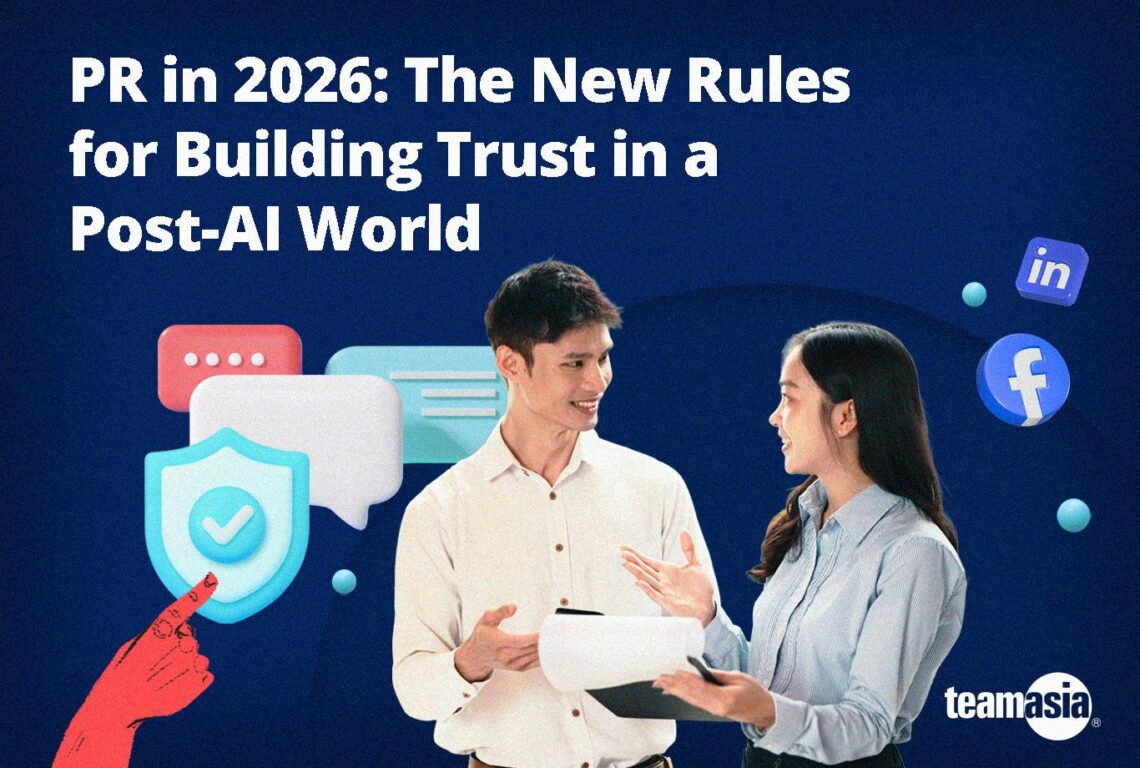
Over the last few years, the internet has gotten louder. Algorithms curate our feeds, AI tools churn out endless streams of content, and “authentic” influencers are becoming less convincing. As consumers scroll through a constant barrage of messages, they are becoming sharper at spotting what feels real and what feels manufactured. Meanwhile, consumers and social media users, who are already busy and mentally preoccupied, may become overwhelmed by the sheer volume of information available online.
In the Philippines, social media is a big thing. But despite Filipinos being one of the most active users of social media, personal connections and word-of-mouth still carry weight. This is where Public Relations becomes an important tool for businesses. PR has always been about building relationships, which people are slowly craving for once again.
But in 2026, that mission comes with a growing challenge. Internet users are starting to reduce their screen time and their overall social media usage. But it also opens up an opportunity for brands to stand out through authenticity and communication.
Kantar’s research highlights that consumers are starting to question the intent and origin of the content they see online. Brandwatch notes a growing “deinfluencing” movement, where audiences openly discourage purchases from overhyped brands. These shifts mean PR must work harder than ever to earn and keep trust.
The Landscape of Public Relations in the Philippines
Public Relations in the Philippines is unique because it balances current global trends with local values. Brands here are expected to be transparent, approachable, and socially responsible. However, with AI making content creation faster and easier, there is an unintended consequence. People begin to doubt whether what they are reading or hearing came from a real person who understands their needs.
The key challenge for PR professionals in 2026 is not the presence of AI itself. When audiences feel a message is too polished, too generic, or too detached from cultural context, they start questioning its authenticity. The role of PR, therefore, is shifting from simply delivering a message to proving that the message is genuine.
1. Authenticity Over Automation
The digital world is currently saturated with content. It is now filled with AI-generated text, images, and even videos. Authenticity has now become a brand's most valuable asset. The new rules of public relations in the Philippines demand that brands prioritize genuine, human-led content that resonates with their audience on a deeper level. This means moving beyond generic press releases and social media posts crafted by AI. Instead, focus on creating content that is unique, relatable, and transparently created by real people.
- Storytelling: While AI can help with data analysis and content generation, the most powerful stories are still told by people. Use personal anecdotes, behind-the-scenes glimpses, and employee spotlights to show the human side of your brand. Share stories that reflect your brand's values, mission, and the real-world impact you're making.
- Embracing Transparency: To combat AI skepticism, brands must be open about their processes. Maintain transparency by openly sharing details about your product's manufacturing process, material origins, and the individuals integral to your brand. If you use AI as a tool, be honest about it. This level of openness builds credibility and helps to differentiate your brand from those that rely heavily on faceless automation.
- Leveraging Real-World Experiences: Host events, conduct workshops, and create experiences that allow your audience to connect with your brand and its people in person. This can include community outreach programs, product demonstrations, or even interactive social media campaigns where real-time human interaction is at the forefront.
2. The Power of Ethical Narratives
The rise of AI has also amplified the need for ethical practices in public relations. With the ability to rapidly generate and disseminate information, the potential for misinformation and "deepfakes" is a major concern. The new rules for building trust require PR professionals to be guardians of truth and integrity, ensuring that all brand narratives are built on a foundation of honesty and ethical conduct.
- Fact-Checking: In a post-AI world, the responsibility to fact-check is more critical than ever. Every piece of information, from a press release to a social media post, must be meticulously verified. This protects your brand from reputational damage and reinforces your commitment to accuracy.
- Building Brand Trust with Integrity: Ethical narratives go beyond simply avoiding lies. It means taking a stand on issues that matter to your audience, being accountable for your actions, and ensuring your brand's values are consistently reflected in all your communications. This proactive approach builds a reputation for integrity that AI cannot replicate.
- Engaging in Responsible AI Use: If your brand chooses to integrate AI into its PR strategy, it's crucial to do so responsibly. This includes using AI to analyze data and identify trends, but always having human oversight for content creation and strategic decision-making. The goal is to use AI to enhance human efforts, not to replace them entirely.
3. Community and Connection
In an increasingly digital and often isolating world, the yearning for genuine human connection is more profound than ever. The new rules of public relations in the Philippines emphasize the importance of building and nurturing a strong brand community. This is where PR professionals truly shine—by fostering a sense of belonging and creating spaces for meaningful dialogue.
- From Audience to Community: The traditional one-way communication model is no longer effective. Brands must shift their focus from speaking to an audience to engaging with a community. This involves creating forums for feedback, hosting live Q&A sessions, and actively participating in online conversations related to your industry.
- Leveraging Influencer Marketing with a Purpose: While AI can help identify potential influencers, the real value lies in building authentic partnerships with creators who genuinely align with your brand's values. Work with "deinfluencers" and other authentic voices who can provide honest, credible endorsements that resonate with their followers. This approach counters the distrust associated with paid, inauthentic influencer campaigns.
- Prioritizing Stakeholder Relations: Public relations in 2026 is about more than just media relations. It entails cultivating and sustaining robust relationships with all stakeholders, encompassing employees, customers, investors, and the broader community. This holistic approach ensures that your brand's reputation is strong from the inside out, creating a resilient foundation of trust.
The Path Forward
In an increasingly saturated market, PR professionals in the Philippines can position the brands they work with as credible authorities by prioritizing authenticity, transparency, and consistency.
The new rules are simple to understand but require commitment to execute. Your brand needs to be clear about its values, honest about its processes, and deliberate in how it engages with the public. When done right, public relations can become an indispensable pillar of your business.
Trust takes a long time to build but can be lost in seconds.
In 2026, your public relations strategy needs to be sharper, more authentic, and more connected to your audience than ever before. Building trust is a core function of a Public Relations Agency in the Philippines, and that’s what we do best at TeamAsia.
If you are ready to stand out over the noise, let TeamAsia be your partner in shaping stories that matter. Contact us today to begin developing a PR plan that works to cut through the noise